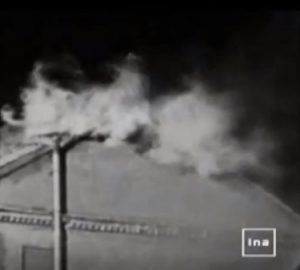
Voici le document principal décrivant la journée du 26 octobre 1958, document dans lequel tous les médias ont puisé puisqu’il s'agit de la principale agence d’information, savoir, Associated Press.
Pris dans Northern Virginia Daily du lundi 27 octobre 1958, p.1 et 2.
1) Sur le plan humain, tout a été fait pour que cela réussisse : à l’intérieur du conclave, à l’extérieur, et dans la presse. De fait, l’Associated Press qui est la matrice où tous les organes de presse ont puisé, a dit des choses vraies et fausses de façon que personne ne puisse s’y retrouver, procédé qu’on reconnaît évidemment maçonnique, d’où la difficulté de savoir exactement ce qui s’est passé, conséquence voulue et organisée par la franc-maçonnerie.
2) Sur le plan divin, la chose est claire : Dieu a voulu nous éprouver en permettant ce qui s’est passé au conclave de 1958 et qui aboutira à l’Antéchrist.
Voici un exemple d’un journal de l’époque (The Irish Press du 27 octobre 1958, pp.1 et 5) qui reprend pratiquement textuellement, en les résumant, les propos de l’Associated Press :
Remarquons ceci :
« Les cardinaux votent quatre [trois] fois sans élire de Pape
Une méprise dans les signaux de fumée sème la confusion
CITÉ DU VATICAN (Associated Press) - Les cardinaux ont voté quatre [trois] fois dimanche sans élire de Pape. Une confusion dans les signaux de fumée a laissé croire pendant environ une demi-heure que le successeur de Pie XII avait été choisi.
Pendant un certain temps, les 200 000 [à 300 000] Romains et touristes présents sur l’immense place Saint-Pierre étaient convaincus que l’Église catholique romaine avait un nouveau Pontife.
Des millions d’autres personnes qui écoutaient la radio dans toute l’Italie et en Europe en étaient également convaincues. Elles ont entendu le présentateur de Radio Vatican [le Père Pellegrino] s’exclamer avec jubilation : « Un Pape a été élu. »
La scène autour du Vatican était incroyablement confuse.
La fumée blanche qui s’échappe d’une petite cheminée au sommet du Vatican est le signal traditionnel annonçant l’élection d’un nouveau Pape. La fumée noire indique un échec.
À deux reprises au cours de la journée, de la fumée s’est échappée de la cheminée.
À midi [11h52], la fumée était d’abord blanche [jaunâtre], mais elle est rapidement devenue incontestablement noire. C’était le signe que les cardinaux n’avaient pas réussi à élire lors des deux premiers tours [du premier tour] de scrutin.
À la tombée de la nuit [17h53], de la fumée blanche s’est échappée de la cheminée élancée pendant [plus de] cinq minutes. Pour le monde extérieur, cela signifiait qu’un nouveau Pontife avait été choisi.
Les nuages de fumée ont été captés par les projecteurs braqués sur la cheminée de la chapelle Sixtine.
« Bianco ! Bianco ! » ont crié de nombreuses personnes dans la foule. Blanc, blanc.
Radio Vatican a annoncé [à 18h02] que la fumée était blanche. Le présentateur a déclaré que les cardinaux étaient probablement en train de procéder aux rites d’hommage au nouveau Souverain Pontife. Pendant longtemps [une demi-heure], Radio Vatican a insisté sur le fait que la fumée était blanche.
Même les hauts dignitaires du Vatican ont été trompés. Callori di Vignale, gouverneur du conclave, et Sigismondo Chigi, maréchal du conclave, se sont précipités pour prendre les positions qui leur avaient été assignées. La Garde Palatine a été appelée depuis ses casernes et a reçu l’ordre de se préparer à se rendre à la basilique Saint-Pierre pour l’annonce du nom du nouveau Pape. Mais [plus tard] la Garde a reçu l’ordre de retourner à ses casernes avant d’atteindre la place. [La Garde Suisse a également été alertée.]
Chigi, dans une interview à la radio italienne, a déclaré que l’incertitude régnait dans le palais. Il a ajouté que cette confusion avait persisté même après que la fumée se soit dissipée et jusqu’à ce que des assurances soient données par le conclave [via son secrétaire Di Jorio] que de la fumée noire était prévue [sic !].
Il a déclaré avoir assisté à trois autres conclaves et n’avoir jamais vu auparavant une fumée aussi variée [sic !] en couleur que celle de dimanche.
Il a déclaré plus tard aux journalistes qu’il ferait en sorte que les cardinaux soient informés de la confusion causée par la fumée de dimanche, dans l’espoir que quelque chose puisse être fait pour remédier à la situation le lundi.
Les prêtres et autres personnes travaillant dans l’enceinte du Vatican ont vu la fumée blanche. Ils ont commencé à applaudir. Ils ont agité leurs mouchoirs avec enthousiasme, et les silhouettes des conclavistes - les assistants des cardinaux - aux fenêtres du palais apostolique leur ont répondu en agitant les mains. Il est possible [certain] qu’ils croyaient eux aussi qu’un Pape avait été élu. Ils n’avaient pas accès à la chapelle Sixtine, où le vote avait eu lieu.
La foule attendait dans une angoisse insoutenable. Normalement, tout Pape élu apparaît au balcon dans les 20 minutes qui suivent. La foule a attendu une demi-heure entière, se demandant désormais si la fumée devait être noire ou blanche.
Le doute s’est rapidement installé. Beaucoup de personnes dans la foule ont commencé à s’éloigner. Mais la confusion régnait toujours. Les médias avaient annoncé au monde entier qu’un nouveau Pape avait été élu.
Les appels téléphoniques affluèrent au Vatican, saturant son standard. Au fur et à mesure que le temps passait et que les doutes s’amplifiaient, les appelants posaient tous la même question : « Noir ou blanc ? » Un appel provenait de Sheffield, en Alabama. L’appelant se présenta comme William Mays et dit : « J’écoute la radio, mais la fumée est-elle noire ou blanche ? »
Au bout d’une demi-heure, les radios commencèrent à annoncer avec excitation que la réponse était toujours incertaine.
Ce n’est que bien après l’heure à laquelle un nouveau Pape aurait dû apparaître au balcon au-dessus de la place Saint-Pierre qu’il est devenu certain [à 18h32] que le vote devrait reprendre le lundi.
La foule, désormais consciente de cela, s’est rapidement dispersée. Des volutes de fumée grisâtre s’échappaient encore de la cheminée de la chapelle.
À l’intérieur de la chapelle Sixtine et du conclave, où règne le secret le plus strict, les cardinaux n’étaient probablement pas au courant de toute cette confusion. Ils n’ont aucun contact avec l’extérieur et ne peuvent pas écouter la radio.
Les autorités du Vatican semblaient incapables d’expliquer la situation. L’une d’elles a suggéré que cela pouvait être lié à la quantité de fumée [sic !].
La fumée provient des bulletins de vote brûlés dans un poêle à l’intérieur de la chapelle.
Les bulletins d’un vote infructueux sont mélangés à de la paille humide avant d’être brûlés, dans le but de produire une fumée noire. Les bulletins d’une élection réussie sont brûlés sans paille.
Une explication à la confusion pourrait être que les cardinaux utilisaient un nouveau poêle, en remplacement de celui qui avait été supprimé [sic !]. Une autre pourrait être les projecteurs braqués sur la cheminée. Une lumière forte braquée sur la fumée la nuit peut la faire apparaître d’un blanc éclatant [sic !].
Mais cela n’explique pas pourquoi il y a eu une confusion similaire [sic !], bien que moindre, à midi, à l’issue des deux premiers tours [du premier tour] de scrutin. Là aussi, les premières bouffées de fumée étaient apparues blanches [jaunâtres]. Puis, en quelques minutes [sic !], la fumée a pris une teinte plus foncée.
Les cardinaux avaient procédé à deux tours de scrutin lors de chaque session [un le matin et deux l’après-midi]. Aucun candidat n’avait obtenu [sic!] les 35 voix nécessaires, soit les deux tiers des 51 cardinaux présents plus une voix supplémentaire.
Il n’avait fallu que trois tours de scrutin pour élire Pie XII en 1939, et il n’en aurait fallu que deux si le défunt pape n’avait pas insisté pour procéder à un vote de contrôle [fake news démentie dans le livre "Avec le Pape au Vatican" de David Lathoud, Nihil obstat et Imprimatur Paris février 1955, p.28 et 29 ]. »
1) Sur le plan humain, tout a été fait pour que cela réussisse : à l’intérieur du conclave, à l’extérieur, et dans la presse. De fait, l’Associated Press qui est la matrice où tous les organes de presse ont puisé, a dit des choses vraies et fausses de façon que personne ne puisse s’y retrouver, procédé qu’on reconnaît évidemment maçonnique, d’où la difficulté de savoir exactement ce qui s’est passé, conséquence voulue et organisée par la franc-maçonnerie.
2) Sur le plan divin, la chose est claire : Dieu a voulu nous éprouver en permettant ce qui s’est passé au conclave de 1958 et qui aboutira à l’Antéchrist.
Voici un exemple d’un journal de l’époque (The Irish Press du 27 octobre 1958, pp.1 et 5) qui reprend pratiquement textuellement, en les résumant, les propos de l’Associated Press :
« ...Mais le soir, de la fumée blanche s’échappa de la cheminée pendant cinq minutes. Pour le monde extérieur, cela signifiait qu’un Pape venait d’être élu. Les projecteurs braqués sur la cheminée reflétaient les nuages de fumée. « Bianco ! Bianco ! » (Blanc ! Blanc !) criaient de nombreuses personnes dans la foule. Radio Vatican annonça avec enthousiasme que la fumée était blanche. Le présentateur déclara même que les cardinaux étaient probablement en train de procéder aux rites associés à la nomination d’un nouveau Souverain Pontife. Pendant longtemps, Radio Vatican insista sur le fait que la fumée était blanche. Même les hauts responsables du Vatican furent induits en erreur. Le gouverneur du conclave et le prince Sigismondo Chigi se précipitèrent pour prendre les positions qui leur avaient été assignées en cas d’élection d’un Pape. La Garde Palatine fut appelée depuis ses casernes et reçut l’ordre de se rendre à la basilique Saint-Pierre pour l’annonce du nom du nouveau Pape. Mais la Garde reçut l’ordre de retourner dans ses casernes avant d’atteindre la place... La foule attendait dans une angoisse insoutenable. Mais si un Pape avait été élu, il aurait dû apparaître au balcon dans les vingt minutes. La foule attendit une demi-heure entière, se demandant désormais si la fumée était noire ou blanche. Le doute s’installa rapidement. Beaucoup dans la foule immense commencèrent à s’éloigner, mais la confusion régnait toujours. Apparemment, tous les médias avaient diffusé dans le monde entier la nouvelle qu’un Pape avait été élu. Les appels téléphoniques affluèrent au Vatican, saturant son central téléphonique, tandis que le temps passait et que les doutes s’amplifiaient. Les appelants posaient tous la même question : Noir ou blanc ? Au bout d’une demi-heure, les radios commencèrent à annoncer avec excitation que la réponse était toujours incertaine. Ce n’est que bien après l’heure à laquelle le nouveau Pape aurait dû faire son apparition au balcon au-dessus de la place Saint-Pierre qu’il a été possible de supposer qu’aucune élection n’avait eu lieu. »
Heureusement, tous les journaux n’ont pas fait de tel copier-coller...
« Nier l’avènement futur et personnel d’Élie,
c’est une hérésie
ou une erreur qui approche de l’hérésie. »
(Saint Robert Bellarmin)
Pensez à TÉLÉCHARGER cette vidéo en cliquant sur les 3 points de suspension sous le titre, ici : https://odysee.com/@MontfortAJPM:b/f1303.-%C3%A0-j%C3%A9sus-par-marie-783-musique:5?lid=cd510e752e23862e040846f45ea3560cab8ddf5a
Here is the main document describing the events of 26 October 1958, a document from which all media outlets drew their information, as it was issued by the leading news agency, the Associated Press.
RépondreSupprimerTaken from the Northern Virginia Daily, Monday 27 October 1958, pp. 1 and 2.
‘Cardinals vote four [three] times without electing a Pope
A mix-up in the smoke signals causes confusion
VATICAN CITY (Associated Press) – The cardinals voted four [three] times on Sunday without electing a Pope. Confusion over the smoke signals led people to believe for about half an hour that Pius XII’s successor had been chosen.
For a time, the 200,000 [to 300,000] Romans and tourists gathered in the vast St Peter’s Square were convinced that the Roman Catholic Church had a new Pontiff.
Millions of others listening to the radio throughout Italy and Europe were equally convinced. They heard the Vatican Radio presenter [Father Pellegrino] exclaim jubilantly: ‘A Pope has been elected. ”
The scene around the Vatican was incredibly chaotic.
White smoke rising from a small chimney at the top of the Vatican is the traditional signal announcing the election of a new Pope. Black smoke indicates a failure.
Twice during the day, smoke rose from the chimney.
At midday [11.52 am], the smoke was initially white [with a yellowish tinge], but it quickly turned unmistakably black. This was a sign that the cardinals had failed to elect a pope in the first two rounds [of the first ballot].
At dusk [17:53], white smoke billowed from the slender chimney for [more than] five minutes. To the outside world, this meant that a new Pontiff had been chosen.
The clouds of smoke were captured by the spotlights trained on the chimney of the Sistine Chapel.
“Bianco! Bianco!” shouted many people in the crowd. White, white.
Vatican Radio announced [at 6.02 pm] that the smoke was white. The presenter stated that the cardinals were probably in the process of performing the rites of homage to the new Supreme Pontiff. For a long time [half an hour], Vatican Radio insisted that the smoke was white.
Even senior Vatican officials were taken in. Callori di Vignale, the governor of the conclave, and Sigismondo Chigi, the marshal of the conclave, hurried to take up the positions assigned to them. The Palatine Guard was called from its barracks and ordered to prepare to go to St Peter’s Basilica for the announcement of the new Pope’s name. But [later] the Guard was ordered to return to its barracks before reaching the square. [The Swiss Guard was also alerted.]
Chigi, in an interview on Italian radio, stated that uncertainty reigned within the palace. He added that this confusion had persisted even after the smoke had cleared and until assurances were given by the conclave [via its secretary Di Jorio] that black smoke was expected [sic!].
He stated that he had attended three other conclaves and had never before seen smoke as varied [sic!] in colour as that of Sunday.
He later told journalists that he would ensure the cardinals were informed of the confusion caused by Sunday’s smoke, in the hope that something could be done to remedy the situation on Monday.
Priests and others working within the Vatican grounds saw the white smoke. They began to applaud. They waved their handkerchiefs enthusiastically, and the figures of the conclavists – the cardinals’ assistants – at the windows of the Apostolic Palace waved back. It is possible [certain] that they too believed a Pope had been elected. They had no access to the Sistine Chapel, where the vote had taken place.
The crowd waited in unbearable anxiety. Normally, any newly elected Pope appears on the balcony within 20 minutes. The crowd waited a full half-hour, now wondering whether the smoke was supposed to be black or white.
SupprimerDoubt quickly set in. Many people in the crowd began to drift away. But confusion still reigned. The media had announced to the whole world that a new Pope had been elected.
Phone calls flooded into the Vatican, overwhelming its switchboard. As time passed and doubts grew, callers all asked the same question: ‘Black or white?’ One call came from Sheffield, Alabama. The caller identified himself as William Mays and said: “I’m listening to the radio, but is the smoke black or white?”
After half an hour, radio stations began to announce excitedly that the answer was still uncertain.
It was not until well after the time when a new Pope should have appeared on the balcony overlooking St Peter’s Square that it became clear [at 6.32 pm] that voting would resume on Monday.
The crowd, now aware of this, quickly dispersed. Plumes of greyish smoke were still rising from the chapel’s chimney.
Inside the Sistine Chapel and the conclave, where the strictest secrecy reigns, the cardinals were probably unaware of all this confusion. They have no contact with the outside world and cannot listen to the radio.
The Vatican authorities seemed unable to explain the situation. One of them suggested that it might be linked to the amount of smoke [sic!].
The smoke comes from the ballot papers being burned in a stove inside the chapel.
Ballot papers from an unsuccessful vote are mixed with damp straw before being burned, in order to produce black smoke. Ballot papers from a successful election are burned without straw.
One explanation for the confusion could be that the cardinals were using a new stove, replacing the one that had been removed [sic!]. Another could be the spotlights trained on the chimney. A strong light shone on the smoke at night can make it appear bright white [sic!].
But this does not explain why there was a similar [sic!], albeit lesser, confusion at midday, following the first two rounds [of the first round] of voting. There too, the first plumes of smoke had appeared white [yellowish]. Then, within a few minutes [sic!], the smoke took on a darker hue.
The cardinals had held two rounds of voting during each session [one in the morning and two in the afternoon]. No candidate had obtained [sic!] the necessary 35 votes, i.e. two-thirds of the 51 cardinals present plus one additional vote.
It had taken only three rounds of voting to elect Pius XII in 1939, and it would have taken only two had the late Pope not insisted on holding a verification vote [fake news refuted in the book ‘Avec le Pape au Vatican’ by David Lathoud, Nihil obstat and Imprimatur Paris February 1955, pp. 28 and 29].’
Let us note the following:
Supprimer1) On a human level, everything was done to ensure its success: within the conclave, outside it, and in the press. In fact, the Associated Press, which served as the source from which all media outlets drew their information, reported both true and false statements in such a way that no one could make sense of it—a tactic clearly recognised as Masonic—hence the difficulty in knowing exactly what happened, a consequence deliberately orchestrated by Freemasonry.
2) From a divine perspective, the matter is clear: God wished to test us by permitting what took place at the 1958 conclave, which will lead to the Antichrist.
Here is an example from a newspaper of the time (The Irish Press, 27 October 1958, pp. 1 and 5) which reproduces, almost verbatim and in summary, the report from the Associated Press:
"...But that evening, white smoke rose from the chimney for five minutes. To the outside world, this meant that a Pope had just been elected. The spotlights trained on the chimney reflected the clouds of smoke. ‘Bianco! Bianco!’ (White! White!) shouted many people in the crowd. Vatican Radio enthusiastically announced that the smoke was white. The presenter even stated that the cardinals were probably carrying out the rites associated with the appointment of a new Supreme Pontiff. For a long time, Vatican Radio insisted that the smoke was white. Even senior Vatican officials were misled. The governor of the conclave and Prince Sigismondo Chigi hurried to take up the positions assigned to them in the event of a papal election. The Palatine Guard was summoned from its barracks and ordered to proceed to St Peter’s Basilica for the announcement of the new Pope’s name. But the Guard was ordered to return to its barracks before reaching the square... The crowd waited in unbearable anxiety. But if a Pope had been elected, he should have appeared on the balcony within twenty minutes. The crowd waited a full half-hour, now wondering whether the smoke was black or white. Doubt quickly set in. Many in the vast crowd began to drift away, but confusion still reigned. Apparently, media outlets around the world had all reported the news that a Pope had been elected. Phone calls flooded into the Vatican, overwhelming its switchboard, whilst time ticked by and doubts grew. Callers were all asking the same question: Black or white? After half an hour, radio stations began excitedly announcing that the answer was still uncertain. It was only well after the time when the new Pope should have appeared on the balcony above St Peter’s Square that it became possible to assume that no election had taken place. ”
Fortunately, not all newspapers simply copied and pasted this...
Ecco il documento principale che descrive la giornata del 26 ottobre 1958, documento a cui tutti i media hanno attinto poiché proviene dalla principale agenzia di stampa, ovvero l’Associated Press.
RépondreSupprimerTratto dal Northern Virginia Daily di lunedì 27 ottobre 1958, pagg. 1 e 2.
«I cardinali votano quattro [tre] volte senza eleggere il Papa
Un malinteso sui segnali di fumo semina confusione
CITTÀ DEL VATICANO (Associated Press) - I cardinali hanno votato quattro [tre] volte domenica senza eleggere il Papa. Un malinteso nei segnali di fumo ha fatto credere per circa mezz’ora che il successore di Pio XII fosse stato scelto.
Per un certo tempo, i 200.000 [300.000] romani e turisti presenti nell’immensa piazza San Pietro erano convinti che la Chiesa cattolica romana avesse un nuovo Pontefice.
Anche milioni di altre persone che ascoltavano la radio in tutta Italia e in Europa ne erano convinte. Hanno sentito il conduttore di Radio Vaticana [Padre Pellegrino] esclamare con giubilo: «È stato eletto un Papa. »
La situazione intorno al Vaticano era incredibilmente confusa.
Il fumo bianco che esce da un piccolo comignolo in cima al Vaticano è il segnale tradizionale che annuncia l’elezione di un nuovo Papa. Il fumo nero indica un fallimento.
Due volte nel corso della giornata, dal comignolo è uscito del fumo.
A mezzogiorno [11:52], il fumo era inizialmente bianco [giallastro], ma è diventato rapidamente e inequivocabilmente nero. Era il segno che i cardinali non erano riusciti a eleggere il Papa nei primi due turni [del primo turno] di votazione.
Al calar della sera [17:53], dal camino slanciato è uscito fumo bianco per [più di] cinque minuti. Per il mondo esterno, ciò significava che era stato scelto un nuovo Pontefice.
Le nuvole di fumo sono state riprese dai riflettori puntati sul comignolo della Cappella Sistina.
«Bianco! Bianco!» hanno gridato molte persone tra la folla. Bianco, bianco.
Radio Vaticana annunciò [alle 18:02] che il fumo era bianco. Il conduttore dichiarò che i cardinali stavano probabilmente procedendo ai riti di omaggio al nuovo Sommo Pontefice. Per molto tempo [mezz’ora], Radio Vaticana insistette sul fatto che il fumo fosse bianco.
Anche gli alti dignitari del Vaticano sono stati ingannati. Callori di Vignale, governatore del conclave, e Sigismondo Chigi, maresciallo del conclave, si sono precipitati a prendere le posizioni loro assegnate. La Guardia Palatina è stata chiamata dalle caserme e ha ricevuto l’ordine di prepararsi a recarsi in Basilica di San Pietro per l’annuncio del nome del nuovo Papa. Ma [in seguito] la Guardia ha ricevuto l'ordine di tornare alle caserme prima di raggiungere la piazza. [Anche la Guardia Svizzera è stata allertata.]
Chigi, in un'intervista alla radio italiana, ha dichiarato che nel palazzo regnava l'incertezza. Ha aggiunto che tale confusione era persistita anche dopo che il fumo si era dissipato e fino a quando il conclave [tramite il suo segretario Di Jorio] non aveva fornito rassicurazioni sul fatto che il fumo nero fosse previsto [sic!].
Ha dichiarato di aver assistito ad altri tre conclavi e di non aver mai visto prima un fumo così variegato [sic!] nel colore come quello di domenica.
In seguito ha dichiarato ai giornalisti che avrebbe fatto in modo che i cardinali fossero informati della confusione causata dal fumo di domenica, nella speranza che lunedì si potesse fare qualcosa per rimediare alla situazione.
I sacerdoti e le altre persone che lavoravano all’interno del Vaticano hanno visto il fumo bianco. Hanno iniziato ad applaudire. Hanno sventolato i fazzoletti con entusiasmo, e le sagome dei conclavisti – gli assistenti dei cardinali – alle finestre del Palazzo Apostolico hanno risposto agitando le mani. È possibile [certo] che anche loro credessero che fosse stato eletto un Papa. Non avevano accesso alla Cappella Sistina, dove si era svolta la votazione.
...
... La folla attendeva in un'angoscia insopportabile. Di solito, ogni Papa eletto appare al balcone entro i 20 minuti successivi. La folla ha atteso ben mezz'ora, chiedendosi ormai se il fumo dovesse essere nero o bianco.
SupprimerIl dubbio si è rapidamente insinuato. Molte persone tra la folla hanno iniziato ad allontanarsi. Ma la confusione regnava ancora. I media avevano annunciato al mondo intero che era stato eletto un nuovo Papa.
Le telefonate sono affluite al Vaticano, saturando il centralino. Man mano che il tempo passava e i dubbi aumentavano, tutti i chiamanti ponevano la stessa domanda: «Nero o bianco?» Una chiamata proveniva da Sheffield, in Alabama. Il chiamante si presentò come William Mays e disse: «Sto ascoltando la radio, ma il fumo è nero o bianco? »
Dopo mezz’ora, le radio cominciarono ad annunciare con eccitazione che la risposta era ancora incerta.
Solo ben oltre l’ora in cui un nuovo Papa avrebbe dovuto apparire sul balcone sopra Piazza San Pietro si è avuta la certezza [alle 18:32] che la votazione sarebbe ripresa lunedì.
La folla, ormai consapevole di ciò, si è rapidamente dispersa. Dal comignolo della cappella si levavano ancora volute di fumo grigiastro.
All’interno della Cappella Sistina e del conclave, dove regna il massimo riserbo, i cardinali probabilmente non erano a conoscenza di tutta questa confusione. Non hanno alcun contatto con l’esterno e non possono ascoltare la radio.
Le autorità vaticane sembravano incapaci di spiegare la situazione. Una di esse ha suggerito che ciò potesse essere legato alla quantità di fumo [sic!].
Il fumo proviene dalle schede elettorali bruciate in una stufa all'interno della cappella.
Le schede di una votazione infruttuosa vengono mescolate con paglia umida prima di essere bruciate, allo scopo di produrre fumo nero. Le schede di un'elezione andata a buon fine vengono bruciate senza paglia.
Una spiegazione della confusione potrebbe essere che i cardinali utilizzavano una nuova stufa, in sostituzione di quella che era stata rimossa [sic!]. Un'altra potrebbe essere la presenza di riflettori puntati sul camino. Una luce forte puntata sul fumo di notte può farlo apparire di un bianco brillante [sic!].
Ma questo non spiega perché si sia verificata una confusione simile [sic!], sebbene minore, a mezzogiorno, al termine dei primi due turni [del primo turno] di votazione. Anche in quel caso, le prime volute di fumo erano apparse bianche [giallastre]. Poi, nel giro di pochi minuti [sic!], il fumo ha assunto una tonalità più scura.
I cardinali avevano effettuato due turni di votazione in ogni sessione [uno al mattino e due nel pomeriggio]. Nessun candidato aveva ottenuto [sic!] i 35 voti necessari, ovvero i due terzi dei 51 cardinali presenti più un voto supplementare.
Ci erano voluti solo tre turni di votazione per eleggere Pio XII nel 1939, e ne sarebbero bastati solo due se il defunto papa non avesse insistito per procedere a una votazione di controllo [fake news smentita nel libro “Avec le Pape au Vatican” di David Lathoud, Nihil obstat e Imprimatur Parigi febbraio 1955, p. 28 e 29].”
...
...Notiamo quanto segue:
Supprimer1) Dal punto di vista umano, è stato fatto di tutto affinché l’operazione andasse a buon fine: all’interno del conclave, all’esterno e sulla stampa. Infatti, l’Associated Press, che è la fonte da cui tutti gli organi di stampa hanno attinto, ha detto cose vere e false in modo tale che nessuno potesse capirci più nulla, un procedimento che si riconosce ovviamente massonico, da cui la difficoltà di sapere esattamente cosa sia successo, conseguenza voluta e organizzata dalla massoneria.
2) Sul piano divino, la cosa è chiara: Dio ha voluto metterci alla prova permettendo ciò che è accaduto al conclave del 1958 e che porterà all’Anticristo.
Ecco un esempio tratto da un giornale dell’epoca (The Irish Press del 27 ottobre 1958, pp. 1 e 5) che riprende praticamente alla lettera, riassumendoli, i commenti dell’Associated Press:
«...Ma la sera, dal comignolo uscì del fumo bianco per cinque minuti. Per il mondo esterno, ciò significava che era stato appena eletto un Papa. I riflettori puntati sul comignolo riflettevano le nuvole di fumo. “Bianco! Bianco!” gridavano molte persone tra la folla. Radio Vaticana annunciò con entusiasmo che il fumo era bianco. Il presentatore dichiarò addirittura che i cardinali stavano probabilmente procedendo ai riti associati alla nomina di un nuovo Sommo Pontefice. Per molto tempo, Radio Vaticana insistette sul fatto che il fumo fosse bianco. Anche gli alti funzionari del Vaticano furono indotti in errore. Il governatore del conclave e il principe Sigismondo Chigi si affrettarono a prendere le posizioni che erano state loro assegnate in caso di elezione di un Papa. La Guardia Palatina fu chiamata dalle caserme e ricevette l'ordine di recarsi alla Basilica di San Pietro per l'annuncio del nome del nuovo Papa. Ma la Guardia ricevette l'ordine di tornare alle caserme prima di raggiungere la piazza... La folla attendeva in un'angoscia insopportabile. Ma se fosse stato eletto un Papa, avrebbe dovuto apparire al balcone entro venti minuti. La folla attese per ben mezz'ora, chiedendosi ormai se il fumo fosse nero o bianco. Il dubbio si fece presto strada. Molti tra l'immensa folla cominciarono ad allontanarsi, ma regnava ancora la confusione. A quanto pare, tutti i media avevano diffuso in tutto il mondo la notizia che era stato eletto un Papa. Le telefonate affluirono al Vaticano, saturando la centrale telefonica, mentre il tempo passava e i dubbi aumentavano. Chi chiamava poneva tutti la stessa domanda: nero o bianco? Dopo mezz'ora, le radio cominciarono ad annunciare con eccitazione che la risposta era ancora incerta. Solo ben oltre l’ora in cui il nuovo Papa avrebbe dovuto fare la sua apparizione sul balcone sopra Piazza San Pietro fu possibile supporre che non si fosse svolta alcuna elezione. »
Fortunatamente, non tutti i giornali hanno fatto un simile copia-incolla...