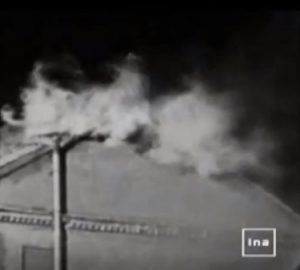
« Conclave de 1958Le 25 octobre 1958, 51 cardinaux ont participé au conclave papal destiné à élire le successeur du pape Pie XII. Le cardinal Siri, alors âgé de 52 ans, était considéré comme un candidat sérieux[1]. Siri était alors vu, et tout au long de sa vie, comme un conservateur convaincu[2].
À 11h53 le matin du 26 octobre, premier jour du scrutin, on vit de la fumée blanche s’échapper de la cheminée de la chapelle Sixtine, signal traditionnel de l’élection d’un Pape pour les foules massées sur la place extérieure. Cette fumée blanche a été suivie quelques minutes plus tard d’une fumée noire. La radio italienne et l’agence de presse italienne ont dû rétracter leurs informations initiales selon lesquelles un Pape avait été élu.
À 17h53, de la fumée blanche semble à nouveau sortir de la cheminée et, cette fois, elle ne devient pas rapidement noire[3]. À 18 heures, alors que la fumée est restée blanche pendant plusieurs minutes, Radio Vatican déclare au monde : « La fumée est blanche... Il n’y a absolument aucun doute. Un Pape a été élu. »[4] Après environ une demi-heure, la fumée est devenue noire, indiquant qu’il n’y avait pas de résultat. Radio Vatican a corrigé son information.[1] Le New York Times a rapporté : « La foule est restée sur place pendant plus d’une demi-heure, espérant apparemment contre toute attente qu’un nouveau Pape apparaisse. » Le journal ajoute que les problèmes rencontrés pour que la paille prenne feu sont probablement à l’origine du problème de la matinée.[3]
Notes :
1) Cuneo, Michael W. (1999). The Smoke of Satan: Conservative and Traditionalist Dissent in Contemporary American Catholicism. JHU Press. (pp.84-85). ISBN 0801862655. Consulté le 22 avril 2017.
2) "Giuseppe Cardinal Siri of Genoa Is Dead at 82". The New York Times. Associated Press. 3 Mai 1989. Consulté le 23 avril 2017.
3) Cortesi, Arnaldo (27 Octobre 1958). "Cardinals Ballot 4 Times, but Fail to Elect a Pope" (PDF). The New York Times. Consulté le 6 novembre 2017.
4) The Tablet. 1er Novembre 1958. Cité dans Williams, Paul (2009). The Vatican Exposed: Money, Murder, and the Mafia. (p.239) »
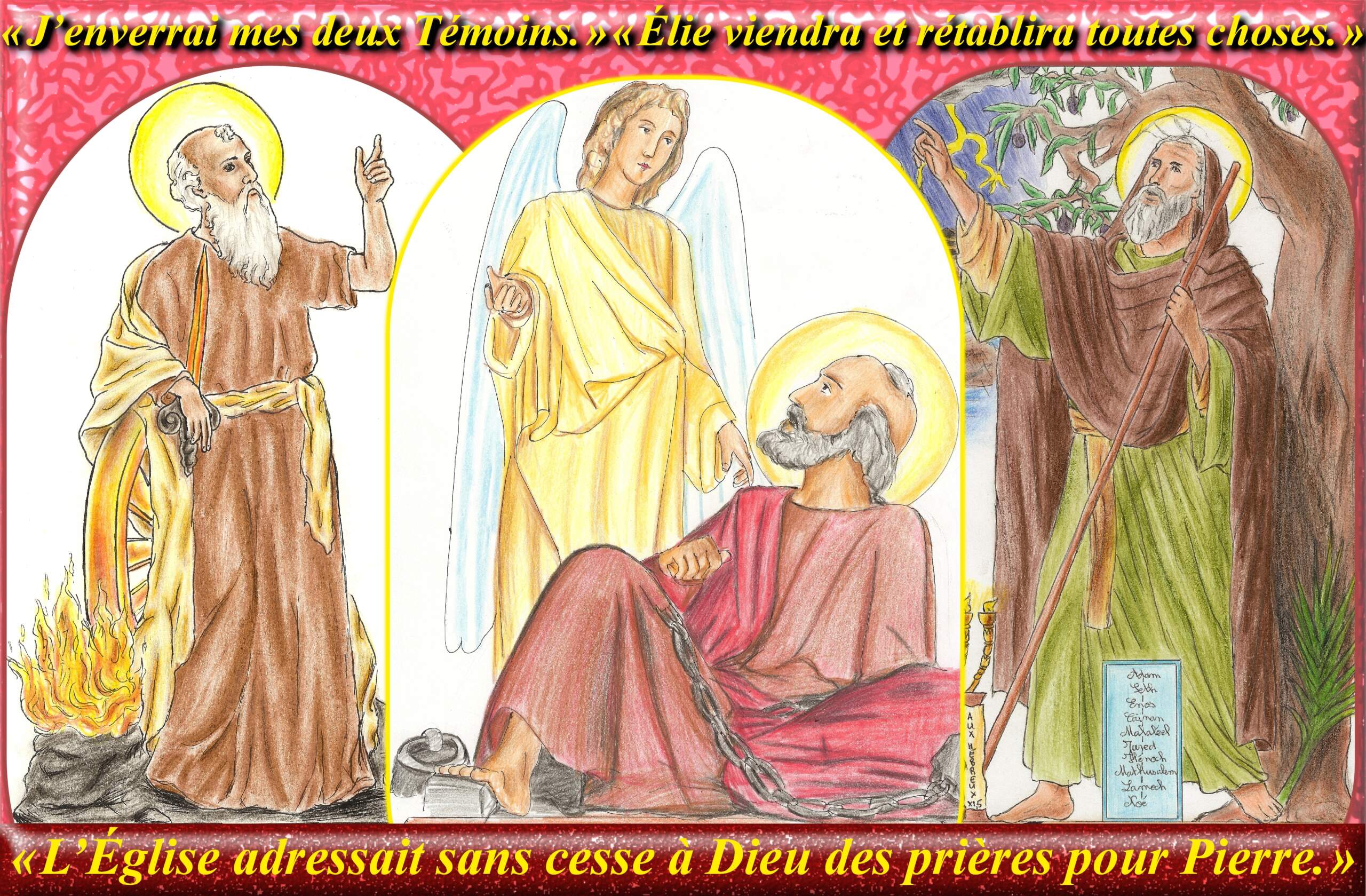
« Nier l’avènement futur et personnel d’Élie,
c’est une hérésie
ou une erreur qui approche de l’hérésie. »
(Saint Robert Bellarmin)
Pensez à TÉLÉCHARGER cette vidéo en cliquant sur les 3 points de suspension sous le titre, ici : https://odysee.com/@MontfortAJPM:b/f1357.-%C3%A0-j%C3%A9sus-par-marie-837-musique:4?lid=cd510e752e23862e040846f45ea3560cab8ddf5a
"Conclave of 1958
RépondreSupprimerOn October 25, 1958, 51 cardinals participated in the papal conclave to elect the successor to Pope Pius XII. Cardinal Siri, then 52 years old, was considered a serious candidate. Siri was seen at the time, and throughout his life, as a staunch conservative.
At 11:53 a.m. on October 26, the first day of voting, white smoke was seen rising from the chimney of the Sistine Chapel, the traditional signal to the crowds gathered in the square outside that a pope had been elected. This white smoke was followed a few minutes later by black smoke. Italian radio and the Italian news agency had to retract their initial reports that a pope had been elected.
At 5:53 p.m., white smoke appeared to be coming out of the chimney again, and this time it did not quickly turn black. At 6 p.m., with the smoke remaining white for several minutes, Vatican Radio declared to the world: “The smoke is white... There is absolutely no doubt. A Pope has been elected.” After about half an hour, the smoke turned black, indicating that there was no result. Vatican Radio corrected its information. [1] The New York Times reported: “The crowd remained in place for more than half an hour, apparently hoping against hope that a new pope would appear.” The newspaper added that problems with getting the straw to catch fire were likely the cause of the morning's trouble. [3]
Notes:
1) Cuneo, Michael W. (1999). The Smoke of Satan: Conservative and Traditionalist Dissent in Contemporary American Catholicism. JHU Press. (pp.84-85). ISBN 0801862655. Accessed April 22, 2017.
2) “Giuseppe Cardinal Siri of Genoa Is Dead at 82.” The New York Times. Associated Press. May 3, 1989. Accessed April 23, 2017.
3) Cortesi, Arnaldo (October 27, 1958). “Cardinals Ballot 4 Times, but Fail to Elect a Pope” (PDF). The New York Times. Accessed November 6, 2017.
4) The Tablet. November 1, 1958. Quoted in Williams, Paul (2009). The Vatican Exposed: Money, Murder, and the Mafia. (p.239)
(Source: https://en.wikipedia.org/wiki/Giuseppe_Siri_conspiracy_theory translated using https://www.deepl.com/fr/translator )
«Conclave del 1958
RépondreSupprimerIl 25 ottobre 1958, 51 cardinali presero parte al conclave papale indetto per eleggere il successore di papa Pio XII. Il cardinale Siri, all’epoca cinquantaduenne, era considerato un candidato serio[1]. Siri era visto allora, e per tutta la sua vita, come un convinto conservatore[2].
Alle 11:53 del mattino del 26 ottobre, primo giorno di votazioni, si vide del fumo bianco fuoriuscire dal comignolo della Cappella Sistina, segnale tradizionale dell’elezione di un Papa per la folla radunata nella piazza antistante. Quel fumo bianco fu seguito, pochi minuti dopo, da fumo nero. La radio italiana e l’agenzia di stampa italiana hanno dovuto ritrattare le loro prime notizie secondo cui era stato eletto un Papa.
Alle 17:53, dal comignolo sembra uscire nuovamente del fumo bianco e, questa volta, non diventa rapidamente nero[3]. Alle 18:00, mentre il fumo è rimasto bianco per diversi minuti, Radio Vaticana dichiara al mondo: «Il fumo è bianco... Non c'è assolutamente alcun dubbio. È stato eletto un Papa.»[4] Dopo circa mezz'ora, il fumo è diventato nero, indicando che non c'era alcun risultato. Radio Vaticana ha corretto la sua informazione.[1] Il New York Times ha riportato: «La folla è rimasta sul posto per più di mezz'ora, sperando apparentemente contro ogni previsione che apparisse un nuovo Papa». Il quotidiano aggiunge che le difficoltà incontrate nell'accendere la paglia sono probabilmente all'origine del problema verificatosi quella mattina. [3]
Note:
1) Cuneo, Michael W. (1999). The Smoke of Satan: Conservative and Traditionalist Dissent in Contemporary American Catholicism. JHU Press. (pp. 84-85). ISBN 0801862655. Consultato il 22 aprile 2017.
2) “Giuseppe Cardinal Siri of Genoa Is Dead at 82”. The New York Times. Associated Press. 3 maggio 1989. Consultato il 23 aprile 2017.
3) Cortesi, Arnaldo (27 ottobre 1958). “I cardinali votano quattro volte, ma non riescono a eleggere un papa” (PDF). The New York Times. Consultato il 6 novembre 2017.
4) The Tablet. 1° novembre 1958. Citato in Williams, Paul (2009). The Vatican Exposed: Money, Murder, and the Mafia. (p.239) »
(Fonte: https://en.wikipedia.org/wiki/Giuseppe_Siri_conspiracy_theory tradotto con l'aiuto di https://www.deepl.com/fr/translator )
Tradotto con DeepL.com (versione gratuita)