 Dans un article intitulé « Des infiltrés ? Oui.., » paru dans 30 Giorni de novembre 1991 (p.55), on lit :
« Nous étions en février 1988. Deux reporters de 30 Giorni se rendaient à Gênes, ville portuaire du nord de l’Italie, pour interviewer le cardinal archevêque Giuseppe Siri [Benoît XVI pendant 2 jours]. C’était l’année des papes : le 30e anniversaire de la mort de Pie XII et de l’élection de Jean XXIII, et le dixième anniversaire de l’élection de Jean-Paul II. Personne n’était mieux placé que Siri, qui avait lui-même été papabile lors des trois conclaves, pour témoigner des pontificats de ces trois successeurs de Pierre. On posa à Siri une question à laquelle il ne s’attendait pas, concernant la véracité des allégations périodiques selon lesquelles la franc-maçonnerie avait infiltré l’Église. Le cardinal âgé ne répondit pas et, suggérant qu’il ne souhaitait faire aucune déclaration publique sur la question, il désigna le magnétophone qui était allumé. Puis il fit un geste très éloquent de l’autre main. Ce qu’il voulait dire, c’était : « Bien sûr qu’il y a eu infiltration. » Le magnétophone fut éteint et Siri ajouta : « C’est une affaire très grave, et j’ai des sources de première main. J’ai rédigé mon compte rendu de cet événement et d’autres événements de la vie de l’Église, qui sera publié dans 50 ans [vers 2040 où ses proches n’auront plus rien à craindre de ses révélations]. Mais pour l’instant, je préfère ne rien dire de plus [à cause des représailles possibles]. »
Le cardinal s’est toutefois confié à son grand ami personnel, Raimondo Spiazzi, un théologien dominicain dans la lignée de Pie XII, qui était doyen de la faculté des sciences sociales de l’Angelicum. Spiazzi rapporte une partie de la conversation dans la biographie qu’il a récemment consacrée à son défunt ami : « Siri a dit que nous devions prier pour les futurs conclaves, pour que ceux qui y participeraient soient véritablement libres de toute forme de conditionnement ou d’influence [ce qui indique qu’à la suite d’influence et de conditionnement, Siri-Benoît XVI a chuté misérablement et est devenu pour ainsi dire Judas II], non seulement en termes ethniques ou politiques [De Gaulle], mais aussi sociaux [ses proches]. Nous devions prier pour qu’« il n’y ait aucune manipulation par aucune secte » [un aveu]. Il faisait référence à la franc-maçonnerie, sur la base d’informations directes qu’il avait reçues de membres affiliés et de sa connaissance des ruses utilisées par la franc-maçonnerie pour piéger les représentants du Vatican et leurs bureaux [lui en premier dont il a fait la malheureuse expérience]. Il n’hésitait pas à citer des noms et parlait du danger que cela représentait, même pour le conclave. C’est peut-être pour cette raison qu’il a proposé d’abolir le secret afin que les événements puissent se dérouler au grand jour. »
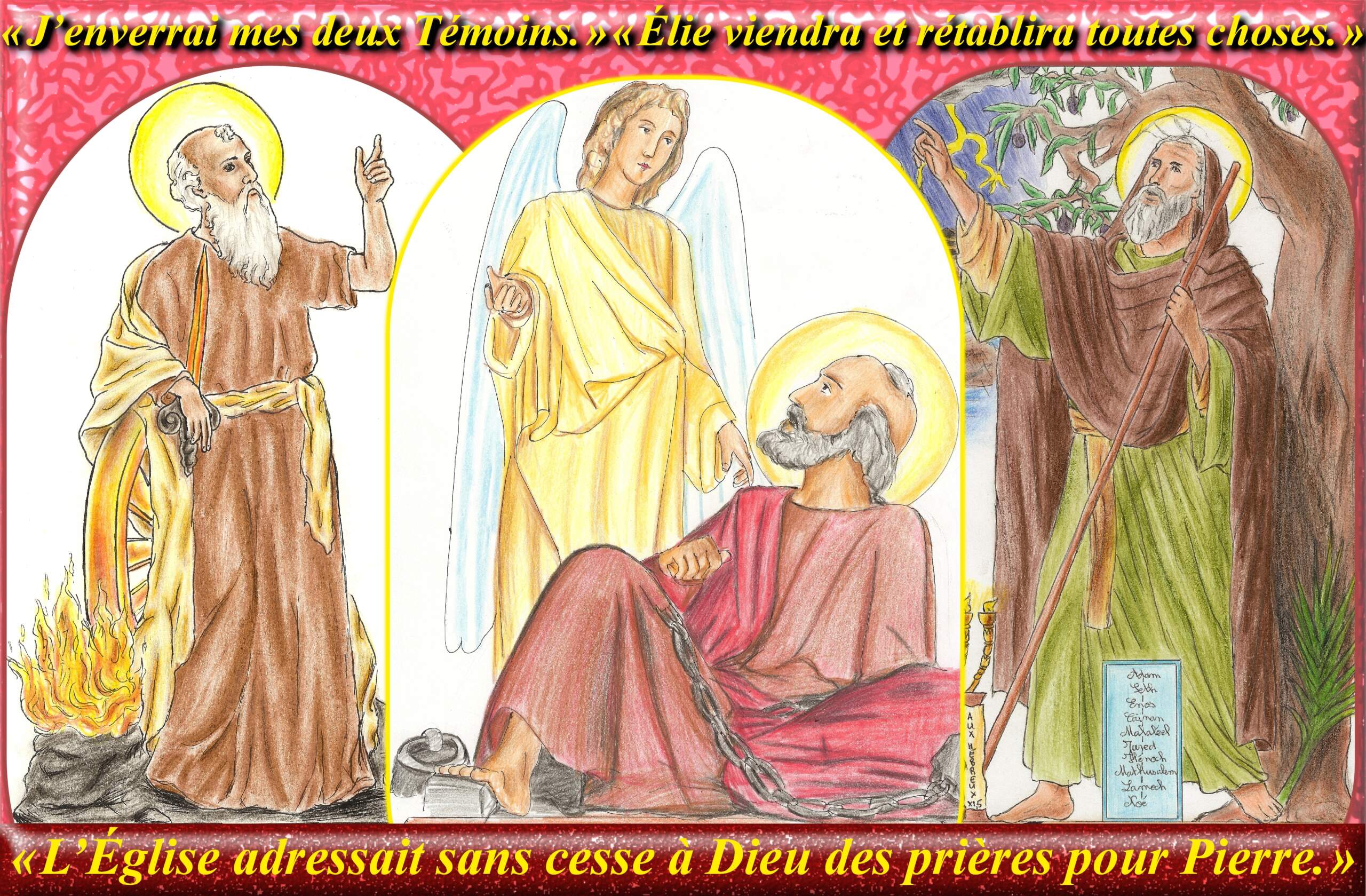
« Nier l’avènement futur et personnel d’Élie,
c’est une hérésie
ou une erreur qui approche de l’hérésie. »
(Saint Robert Bellarmin)
Pensez à TÉLÉCHARGER cette vidéo en cliquant sur les 3 points de suspension sous le titre, ici : https://odysee.com/@MontfortAJPM:b/f1281.-%C3%A0-j%C3%A9sus-par-marie-761-musique:1?lid=cd510e752e23862e040846f45ea3560cab8ddf5a
In an article entitled ‘Infiltrators? Yes…’, published in 30 Giorni in November 1991 (p. 55), we read:
RépondreSupprimer‘It was February 1988. Two reporters from 30 Giorni were travelling to Genoa, a port city in northern Italy, to interview Cardinal Archbishop Giuseppe Siri [Benedict XVI] over two days. It was the year of the popes: the 30th anniversary of the death of Pius XII and the election of John XXIII, and the tenth anniversary of the election of John Paul II. No one was better placed than Siri, who had himself been a papabile during the three conclaves, to bear witness to the pontificates of these three successors of Peter. Siri was asked a question he had not expected, concerning the veracity of the periodic allegations that Freemasonry had infiltrated the Church. The elderly cardinal did not reply and, suggesting that he wished to make no public statement on the matter, he pointed to the tape recorder which was switched on. Then he made a very telling gesture with his other hand. What he meant was: ‘Of course there has been infiltration.’ The tape recorder was switched off and Siri added: ‘This is a very serious matter, and I have first-hand sources. I have written my account of this event and other events in the life of the Church, which will be published in 50 years’ time [around 2040, when his loved ones will no longer have anything to fear from his revelations]. But for the moment, I prefer not to say any more [because of possible reprisals]. ”
The cardinal did, however, confide in his close personal friend, Raimondo Spiazzi, a Dominican theologian in the tradition of Pius XII, who was dean of the Faculty of Social Sciences at the Angelicum. Spiazzi recounts part of the conversation in the biography he recently dedicated to his late friend: “Siri said that we must pray for future conclaves, so that those taking part might be truly free from any form of conditioning or influence [which suggests that, as a result of influence and conditioning, Siri-Benedict XVI fell miserably and became, so to speak, Judas II], not only in ethnic or political terms [De Gaulle], but also in social [his close associates]. We were to pray that ‘there be no manipulation by any sect’ [an admission]. He was referring to Freemasonry, based on direct information he had received from affiliated members and his knowledge of the ruses used by Freemasonry to ensnare Vatican representatives and their offices [himself foremost, having had the unfortunate experience of this]. He did not hesitate to name names and spoke of the danger this posed, even for the conclave. It is perhaps for this reason that he proposed abolishing secrecy so that events might unfold in the open.”
Translated with DeepL.com (free version)
In un articolo intitolato «Infiltrati? Sì...», pubblicato su 30 Giorni del novembre 1991 (p. 55), si legge:
RépondreSupprimer«Era il febbraio 1988. Due giornalisti di 30 Giorni si recavano a Genova, città portuale del nord Italia, per intervistare il cardinale arcivescovo Giuseppe Siri [Benedetto XVI per due giorni]. Era l’anno dei papi: il trentesimo anniversario della morte di Pio XII e dell’elezione di Giovanni XXIII, e il decimo anniversario dell’elezione di Giovanni Paolo II. Nessuno era in una posizione migliore di Siri, che era stato egli stesso papabile in tutti e tre i conclavi, per testimoniare sui pontificati di questi tre successori di Pietro. A Siri fu posta una domanda che non si aspettava, riguardante la veridicità delle accuse periodiche secondo cui la massoneria si sarebbe infiltrata nella Chiesa. L’anziano cardinale non rispose e, lasciando intendere che non desiderava rilasciare alcuna dichiarazione pubblica sulla questione, indicò il registratore che era acceso. Poi fece un gesto molto eloquente con l’altra mano. Ciò che voleva dire era: «Certo che c’è stata un’infiltrazione». » Il registratore fu spento e Siri aggiunse: «È una questione molto grave, e ho fonti di prima mano. Ho redatto il mio resoconto di questo evento e di altri avvenimenti della vita della Chiesa, che sarà pubblicato tra 50 anni [verso il 2040, quando i suoi cari non avranno più nulla da temere dalle sue rivelazioni]. Ma per il momento preferisco non aggiungere altro [a causa delle possibili ritorsioni]. »
Il cardinale si confidò tuttavia con il suo grande amico personale, Raimondo Spiazzi, un teologo domenicano della scuola di Pio XII, che era decano della facoltà di scienze sociali dell’Angelicum. Spiazzi riporta parte della conversazione nella biografia che ha recentemente dedicato al suo defunto amico: «Siri ha detto che dovevamo pregare per i futuri conclavi, affinché coloro che vi avrebbero partecipato fossero veramente liberi da ogni forma di condizionamento o influenza [il che indica che, a seguito di influenze e condizionamenti, Siri-Benedetto XVI è caduto miseramente ed è diventato, per così dire, Giuda II], non solo in termini etnici o politici [De Gaulle], ma anche sociali [i suoi stretti collaboratori]. Dovevamo pregare affinché «non ci fosse alcuna manipolazione da parte di alcuna setta» [un’ammissione]. Si riferiva alla massoneria, sulla base di informazioni dirette che aveva ricevuto da membri affiliati e della sua conoscenza degli stratagemmi utilizzati dalla massoneria per intrappolare i rappresentanti del Vaticano e i loro uffici [lui per primo, di cui aveva fatto la triste esperienza]. Non esitava a citare nomi e parlava del pericolo che ciò rappresentava, anche per il conclave. È forse per questo motivo che ha proposto di abolire il segreto affinché gli eventi potessero svolgersi alla luce del sole.»
Tradotto con DeepL.com (versione gratuita)