 Pour finir cet épisode, voici telle quelle la réflexion de Carlo Regazzoni qui rejoint en grande partie la mienne.
En fait, Siri a refusé officiellement d’être candidat à la Papauté avant le conclave lors de plusieurs sollicitations ; c’est pourquoi d’ailleurs il n’a pas assisté aux congrégations générales. Une fois élu au conclave, il a accepté et donc il a fait son devoir car cela était fortement recommandé par saint Pie X et Pie XII dans leurs Constitutions sur le sujet. Mais par ensuite, Siri se rappelant qu’il avait dit non aux sollicitations d’une part, et d’autre part prenant peur devant les menaces des cardinaux infiltrés, il renonça secrètement et par contrainte à sa charge, préférant sa propre volonté à celle de Dieu qui l’avait appelé à cet office.« Pour s’être senti contraint à demander pardon à Dieu, Siri doit avoir été conscient de sa part de responsabilité dans le désastre dû à la succession de Pie XII. Parlant du péché d’Adam, saint Augustin le définit comme abandon par l’homme de l’œuvre de Dieu au profit de ses propres œuvres, lesquelles « de ce fait sont mauvaises, étant selon l’homme, non selon Dieu ». Plus loin, saint Augustin ajoutera la précision suivante : « Car cette créature est ainsi faite qu’il lui est avantageux d’obéir, pernicieux au contraire de faire sa volonté propre non celle de son Créateur. »
Bien après la dernière guerre, Pie XII était conscient des dangers qui menaçaient l’Église de l’intérieur. Il se rendait compte que sa fin approchait et appréhendait qu’on puisse élire le faux candidat au prochain conclave. Cela expliquerait pourquoi il sollicita Siri de le rejoindre à Rome.
Siri, en refusant de donner suite à la demande de Pie XII, n’aurait-il pas préféré sa propre volonté au souhait du Vicaire du Christ ? [« Volonté du Pape, Volonté de Dieu ! », dit saint Alphonse] C’est ce qu’on appelle, en droit pénal, un dol éventuel. Il intervient lorsque la personne concernée, tout en se rendant compte des possibles conséquences de ses actes, refuse de prendre la décision qui s’impose.
Avec son refus à envisager une éventuelle candidature, il a facilité l’accession du patriarche Roncalli au pontificat dont on connaît l’issue. En résumé, l’on pourrait dire que Siri, en écartant de lui l’idée d’être un jour Pape, a été obligé à se montrer obéissant contre son propre gré, envers ceux qui le sont devenus. Ce n’est que vers la fin de sa vie qu’il a commencé à se demander s’il aurait pu freiner certaines évolutions en étant plus combatif. »
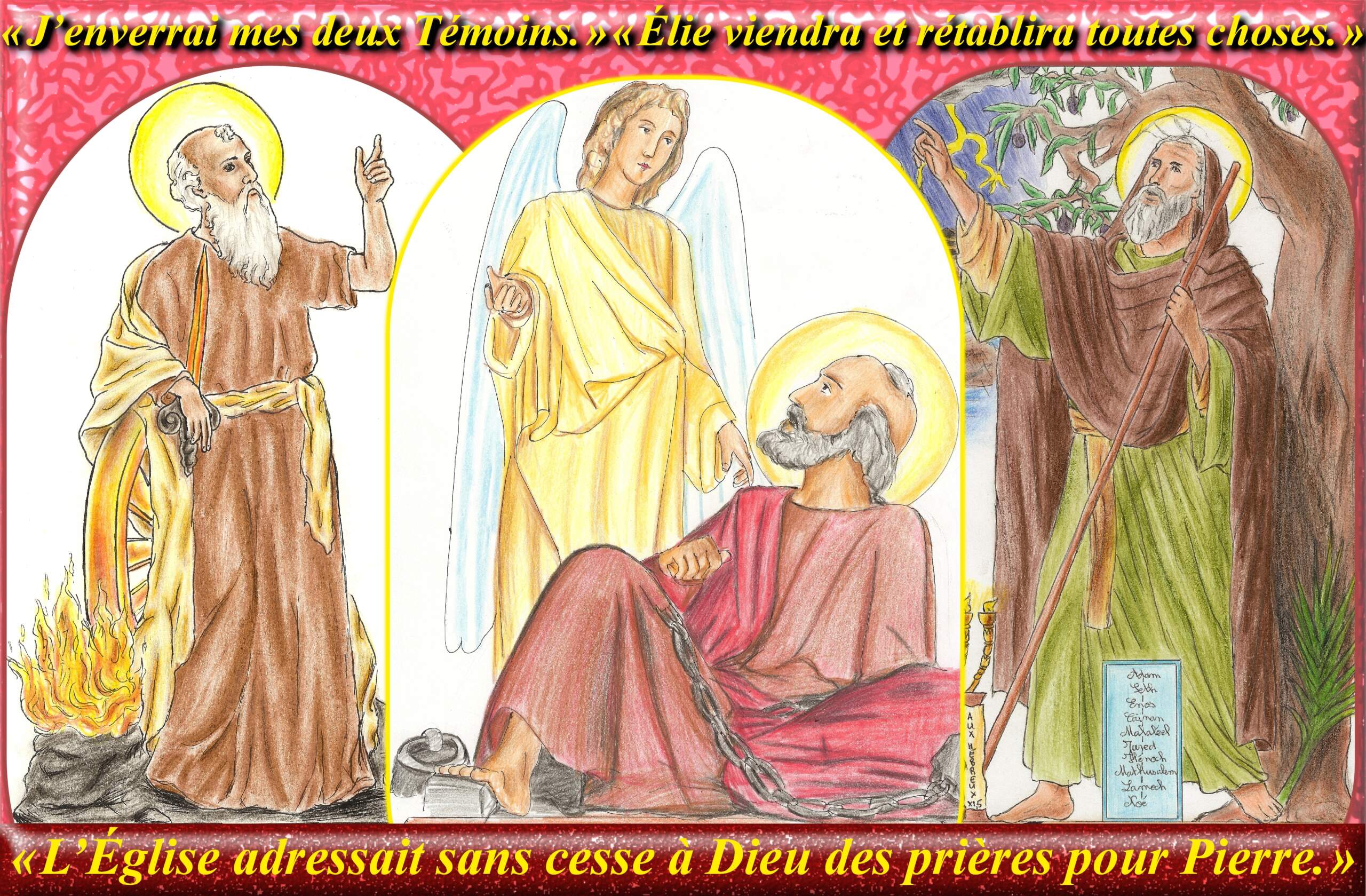
« Nier l’avènement futur et personnel d’Élie,
c’est une hérésie
ou une erreur qui approche de l’hérésie. »
(Saint Robert Bellarmin)
Pensez à TÉLÉCHARGER cette vidéo en cliquant sur les 3 points de suspension sous le titre, ici : https://odysee.com/@MontfortAJPM:b/f1251.-%C3%A0-j%C3%A9sus-par-marie-731-musique:5?lid=cd510e752e23862e040846f45ea3560cab8ddf5a
To conclude this episode, here is Carlo Regazzoni’s reflection, word for word, which largely echoes my own.
RépondreSupprimer‘To have felt compelled to ask God for forgiveness, Siri must have been aware of his share of responsibility in the disaster caused by the succession of Pius XII. Speaking of Adam’s sin, Saint Augustine defines it as man’s abandonment of God’s work in favour of his own works, which “are therefore evil, being according to man, not according to God”. Further on, Saint Augustine adds the following clarification: ‘For this creature is so made that it is to his advantage to obey, whereas it is pernicious to do his own will rather than that of his Creator.’
Well after the last war, Pius XII was aware of the dangers threatening the Church from within. He realised that his end was drawing near and feared that the wrong candidate might be elected at the next conclave. This would explain why he asked Siri to join him in Rome.
By refusing to comply with Pius XII’s request, might Siri not have preferred his own will to the wish of the Vicar of Christ? [“The Pope’s will is God’s will!”, said St Alphonsus] This is what is known in criminal law as ‘constructive intent’. It occurs when the person concerned, whilst realising the possible consequences of their actions, refuses to take the necessary decision.
By refusing to consider a possible candidacy, he paved the way for Patriarch Roncalli’s accession to the papacy, the outcome of which is well known. In short, one could say that Siri, by dismissing the idea of one day becoming Pope, was forced to show obedience against his will to those who did become Pope. It was only towards the end of his life that he began to wonder whether he might have been able to curb certain developments by being more combative. ”
In fact, Siri officially refused to stand as a candidate for the Papacy before the conclave on several occasions; this is why, moreover, he did not attend the general congregations. Once elected at the conclave, he accepted and thus did his duty, as this was strongly recommended by Saint Pius X and Pius XII in their Constitutions on the subject. But subsequently, Siri, remembering that he had said no to the requests on the one hand, and on the other hand taking fright at the threats from the infiltrated cardinals, secretly and under duress renounced his office, preferring his own will to that of God who had called him to this office.
Translated with DeepL.com (free version)
Per concludere questa puntata, ecco, così com’è, la riflessione di Carlo Regazzoni, che coincide in gran parte con la mia.
RépondreSupprimer«Per essersi sentito costretto a chiedere perdono a Dio, Siri deve essersi reso conto della propria parte di responsabilità nel disastro causato dalla successione di Pio XII. Parlando del peccato di Adamo, sant’Agostino lo definisce come l’abbandono da parte dell’uomo dell’opera di Dio a favore delle proprie opere, le quali «per questo motivo sono malvagie, essendo secondo l’uomo, non secondo Dio». Più avanti, sant’Agostino aggiungerà la seguente precisazione: «Poiché questa creatura è fatta in modo tale che per lei è vantaggioso obbedire, mentre è invece pernicioso fare la propria volontà e non quella del suo Creatore. »
Ben dopo l’ultima guerra, Pio XII era consapevole dei pericoli che minacciavano la Chiesa dall’interno. Si rendeva conto che la sua fine si avvicinava e temeva che nel prossimo conclave potesse essere eletto il candidato sbagliato. Ciò spiegherebbe perché sollecitò Siri a raggiungerlo a Roma.
Siri, rifiutando di dare seguito alla richiesta di Pio XII, non avrebbe forse anteposto la propria volontà al desiderio del Vicario di Cristo? [«Volontà del Papa, volontà di Dio!», diceva sant’Alfonso] È ciò che in diritto penale si definisce «dolo eventuale». Si verifica quando la persona in questione, pur rendendosi conto delle possibili conseguenze delle proprie azioni, rifiuta di prendere la decisione che si impone.
Con il suo rifiuto di prendere in considerazione un’eventuale candidatura, ha facilitato l’ascesa al pontificato del patriarca Roncalli, di cui conosciamo l’esito. In sintesi, si potrebbe dire che Siri, allontanando da sé l’idea di diventare un giorno Papa, è stato costretto a mostrarsi obbediente contro la propria volontà nei confronti di coloro che lo sono diventati. È stato solo verso la fine della sua vita che ha cominciato a chiedersi se avrebbe potuto frenare certi sviluppi mostrandosi più combattivo. »
In effetti, Siri rifiutò ufficialmente di candidarsi al papato prima del conclave, nonostante le numerose sollecitazioni; proprio per questo, del resto, non partecipò alle congregazioni generali. Una volta eletto al conclave, accettò e quindi adempì al proprio dovere, poiché ciò era fortemente raccomandato da san Pio X e da Pio XII nelle loro Costituzioni sull’argomento. Ma in seguito, Siri, ricordandosi da un lato di aver detto no alle sollecitazioni e, dall’altro, spaventato dalle minacce dei cardinali infiltrati, rinunciò segretamente e sotto costrizione al suo incarico, preferendo la propria volontà a quella di Dio che lo aveva chiamato a tale ufficio.